
You’re halfway through your morning routine when your phone pings. “Dear Craig, Blood stocks are critically low. Please donate blood today.”
For most people, that message means a quick shuffle of plans. For someone in a hospital, it could mean the difference between waiting and surviving.
How Demand Triggers Donor Alerts
Every day, hospitals across the Western Cape request blood and blood products for emergency surgeries, accident victims, cancer patients, and those battling life-threatening conditions.
The Western Cape Blood Service (WCBS) closely monitors stock levels for each blood group on a daily basis. If supplies begin to run low, our Customer Service Centre steps in. A dedicated team of Customer Service Officers personally contacts donors via phone, SMS, and email to request donors to donate blood.
Each message or call is tailored to the donor’s preferred method of contact — this information was gathered from their donor questionnaire. Whether it’s a friendly voice on the phone, a quick SMS, or a gentle email reminder, these messages are sent with purpose and heart. Behind every notification is a person, not just a programme — someone who understands that timing and compassion can save lives.
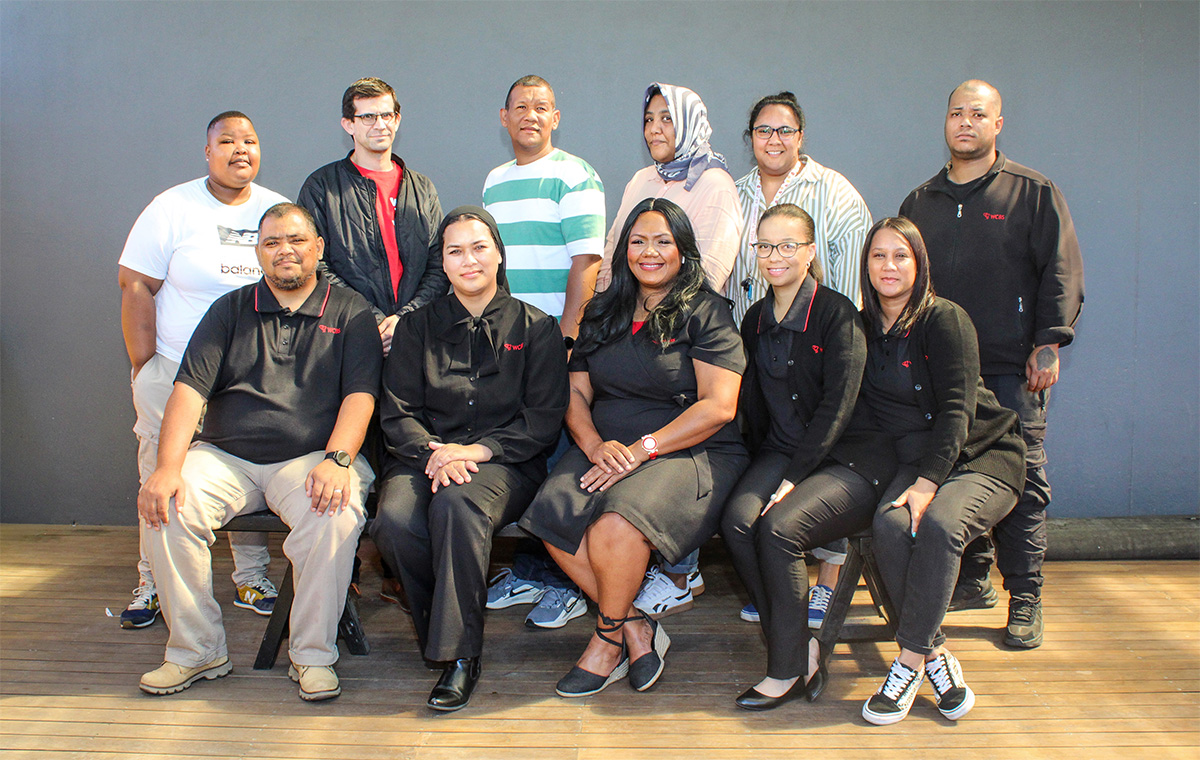
Meet the Faces Behind the Calls
If you’ve ever received a message or call from WCBS asking you to donate, you’ve already met one of our dedicated Customer Service Officers — even if only by voice or name.
This team works tirelessly behind the scenes, reaching out to donors daily to ensure blood and plasma needs are met across the Western Cape. Their days are filled with thanking donors, scheduling plasma donation appointments, encouragement for the next donation, and sometimes gentle reminders that can make the difference in donor turnout at clinics.
When you complete your donor questionnaire, you’ll see a section where you can tick your preferred method of communication — phone call, SMS, or email. We use this information to contact you in the way that suits you best. If your contact details or preferences change, we encourage you to update them next time you donate or by clicking here, so our messages always reach you when they matter most.
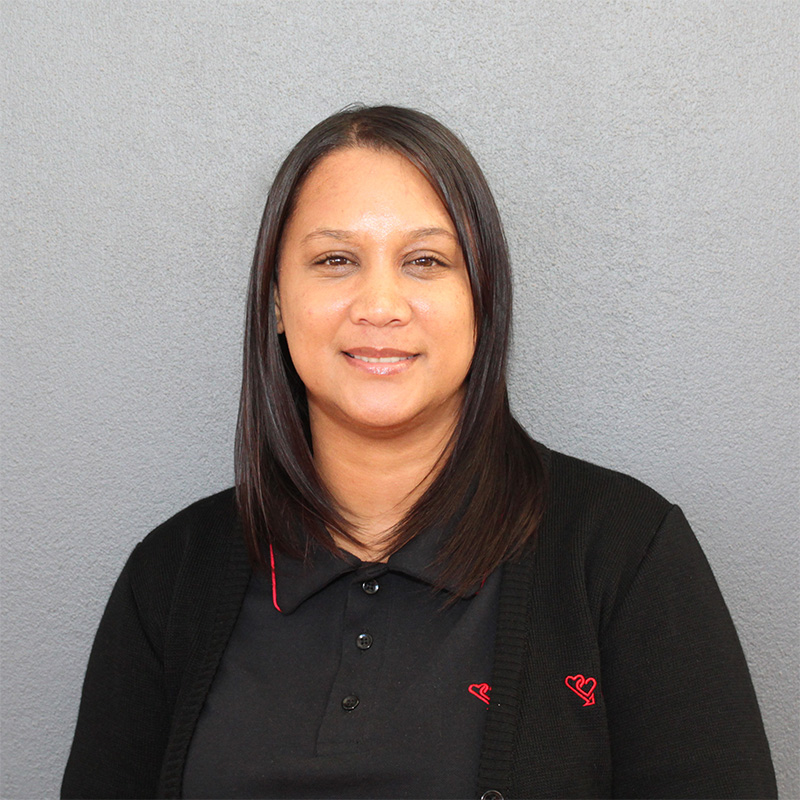
Robin Adams– 12 years of service
“After 12 years of speaking to our donors, I can honestly say this: every time I hear someone say, ‘I’ll come in again,’ I’m reminded that kindness really is a habit. Our donors don’t just save lives — they restore my faith in people every single day.”
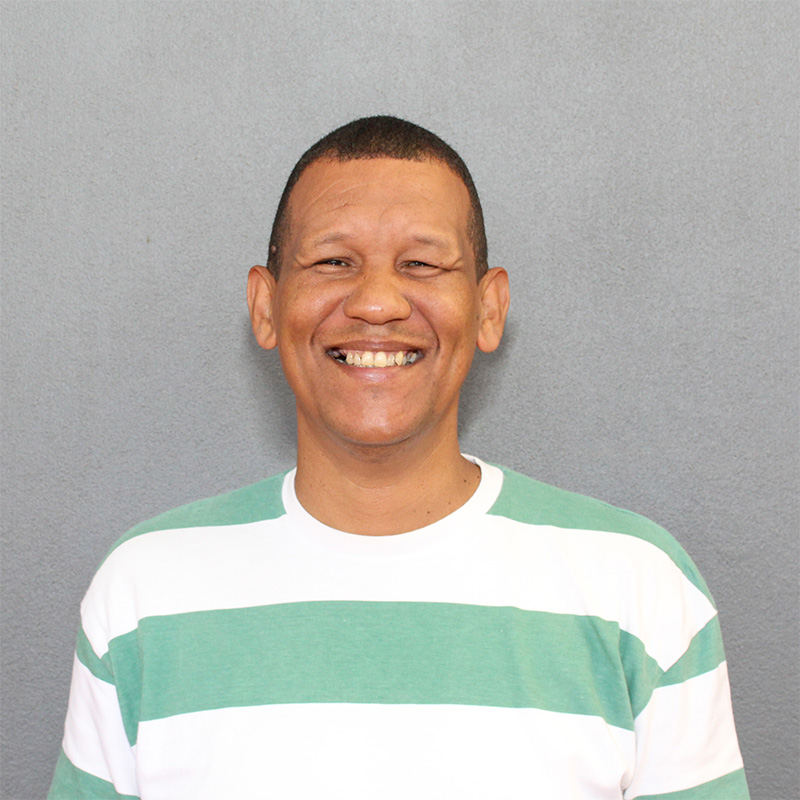
Antonio Cloete – 8 years of service
“I’ve been here so long I practically know our donors’ veins by name. But honestly, working here, you learn that donors aren’t just donors — they’re part of the family. I love being part of their journey.”
What to Do When You Hear ‘The Call’
Some of you might not get notifications directly from us; however, you may still hear us on the radio or see our social media posts. So, what should you do when you hear our call?
- Find your closest blood donation clinic by visiting our website, or click here. You can walk in — no appointment needed for whole blood donations. If you’re a plasma donor, you can make a booking with your friendly Customer Service Officer. Just send a WhatsApp to 060 549 7244.
- If possible, please donate blood on the same day you receive communication from us. Stocks can recover quickly when donors respond.
- Bring a friend. Every new donor helps keep our blood supply strong.
- Spread the word. A quick social post or chat can reach someone who’s able to donate blood.
And if you can’t make it that day, that’s okay — just plan your next donation soon. Every unit helps rebuild the blood supply.
Every Message Matters
Behind every ping, ring, or inbox alert is a team of real people — monitoring, calling, encouraging, and thanking the donors who keep our blood stocks at five days.
When your phone lights up with a WCBS reminder, it’s not just another notification. It’s a bridge between crisis and care.
So, the next time you see that message, remember: it’s not just an SMS.
It’s a lifeline — and you make it work.