
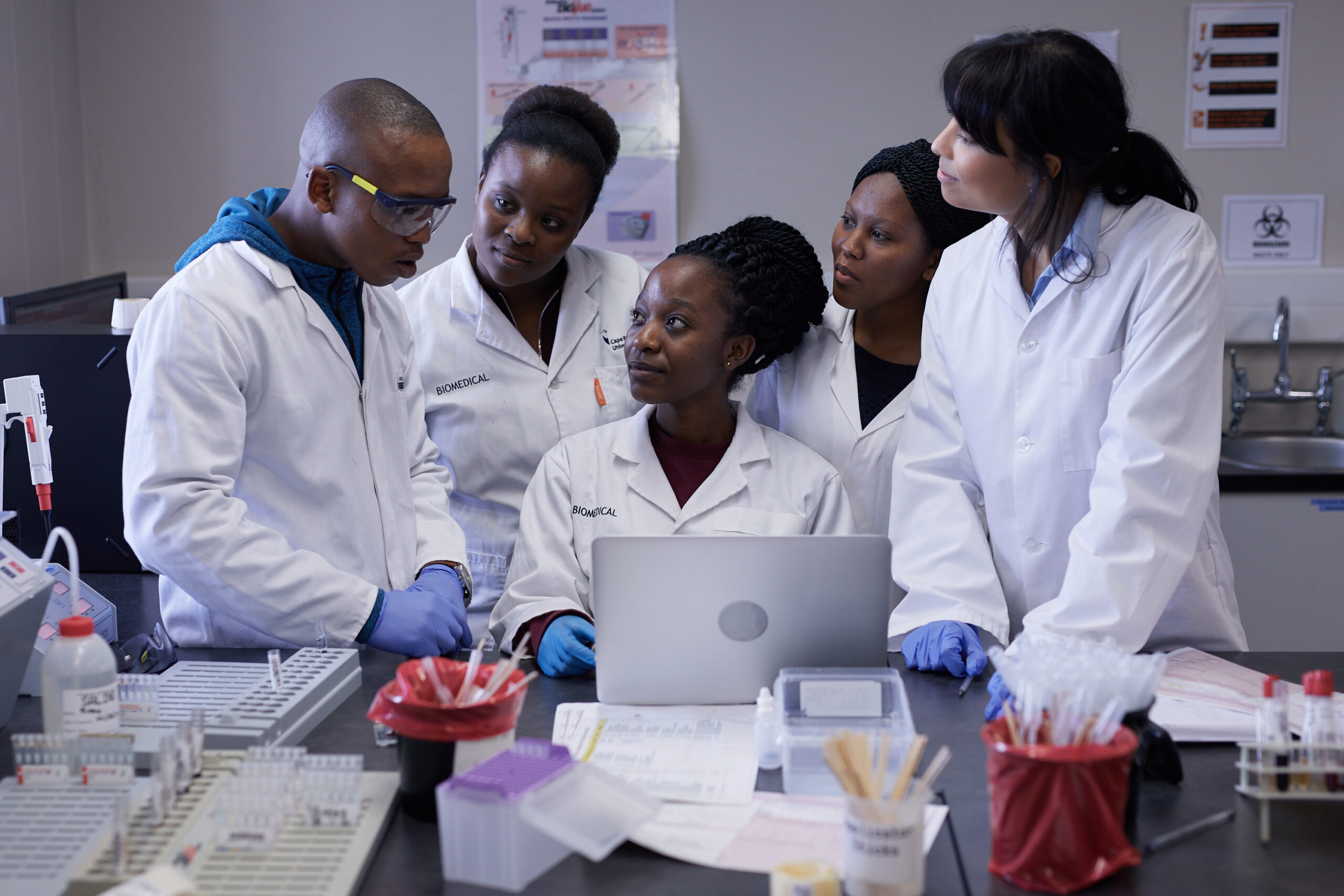
Did you know that the Western Cape Blood Service doesn’t just collect blood, but also plays a role in training future medical scientists? Every year, third-year students from the Cape Peninsula University of Technology (CPUT) who are studying towards a Bachelor of Health Science in Medical Laboratory Science participate in a Work-Integrated Learning programme. This means they spend the second semester of their studies working in different laboratories, including NHLS, Pathcare, Lancet and Ampath.
This year, between 4 August and 10 November, 83 of these students will also spend a week at WCBS to gain hands-on experience in the field of Immunohematology, the science that ensures safe blood transfusions.
During their week with us, students get to see how our laboratories work behind the scenes. They refresh their knowledge of Immunohaematology in their second year and then apply it in practice. This includes testing blood groups, checking compatibility between donors and patients, and attending lectures on topics such as blood donation, blood products and transfusion reactions. At the end of the week, they are assessed both practically and theoretically before completing their training.
Most people are familiar with the process of donating blood, but very few know about the science, testing and strict regulations that go into ensuring every unit of blood is safe for patients. For many of these students, their week at WCBS is their first real exposure to the field of transfusion medicine, and it provides them with a deeper understanding of how science saves lives every day.
WCBS also supports students beyond training by offering a bursary to those in their final year of study. Each year, four students are selected to receive funding that covers their tuition fees, along with a monthly stipend to help them while they complete their degree. Additionally, students who complete their final assessments are offered full-time employment at WCBS from the following January. This means financial support while studying, plus the security of starting their career immediately after graduation.
For learners still in high school and considering this career path, the requirements include passing Life Sciences, Physical Science and Maths, followed by a four-year Bachelor of Health Science degree at a University of Technology. This qualification opens the door to a career that offers hands-on training, mentorship from experts, and the opportunity to make a real difference in people’s lives.
Every time you donate, you’re helping more than patients you’re also helping WCBS inspire and train the next generation of medical scientists. Together, we’re building a future where safe blood is always available.
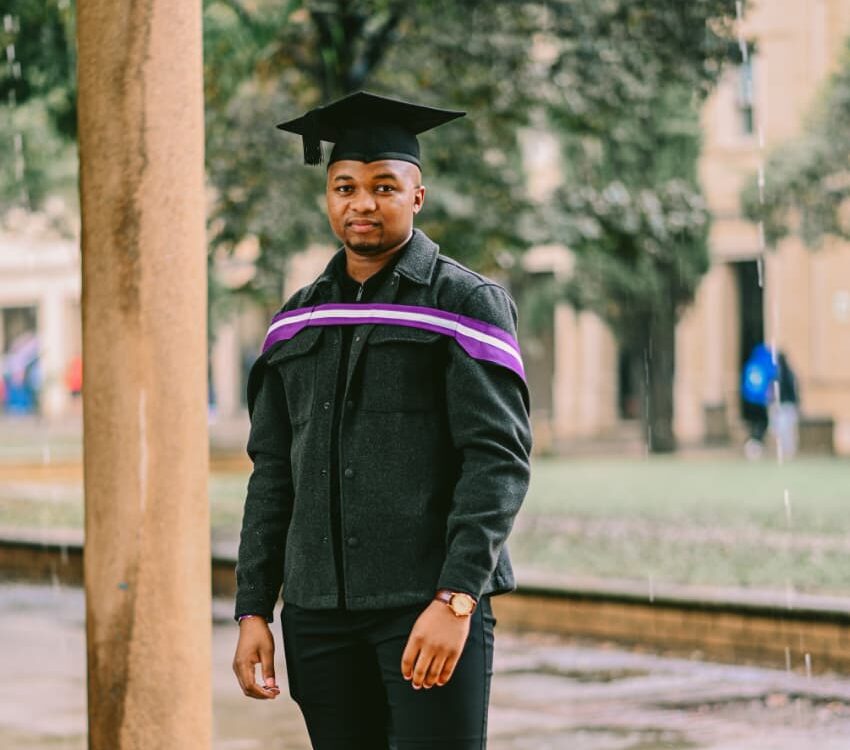
“My time at WCBS gave me invaluable practical knowledge that shaped my career. The support and mentorship I received here continue to guide me in my work today, and I’m forever grateful for the experience.” – Sihle Ncaphayi