
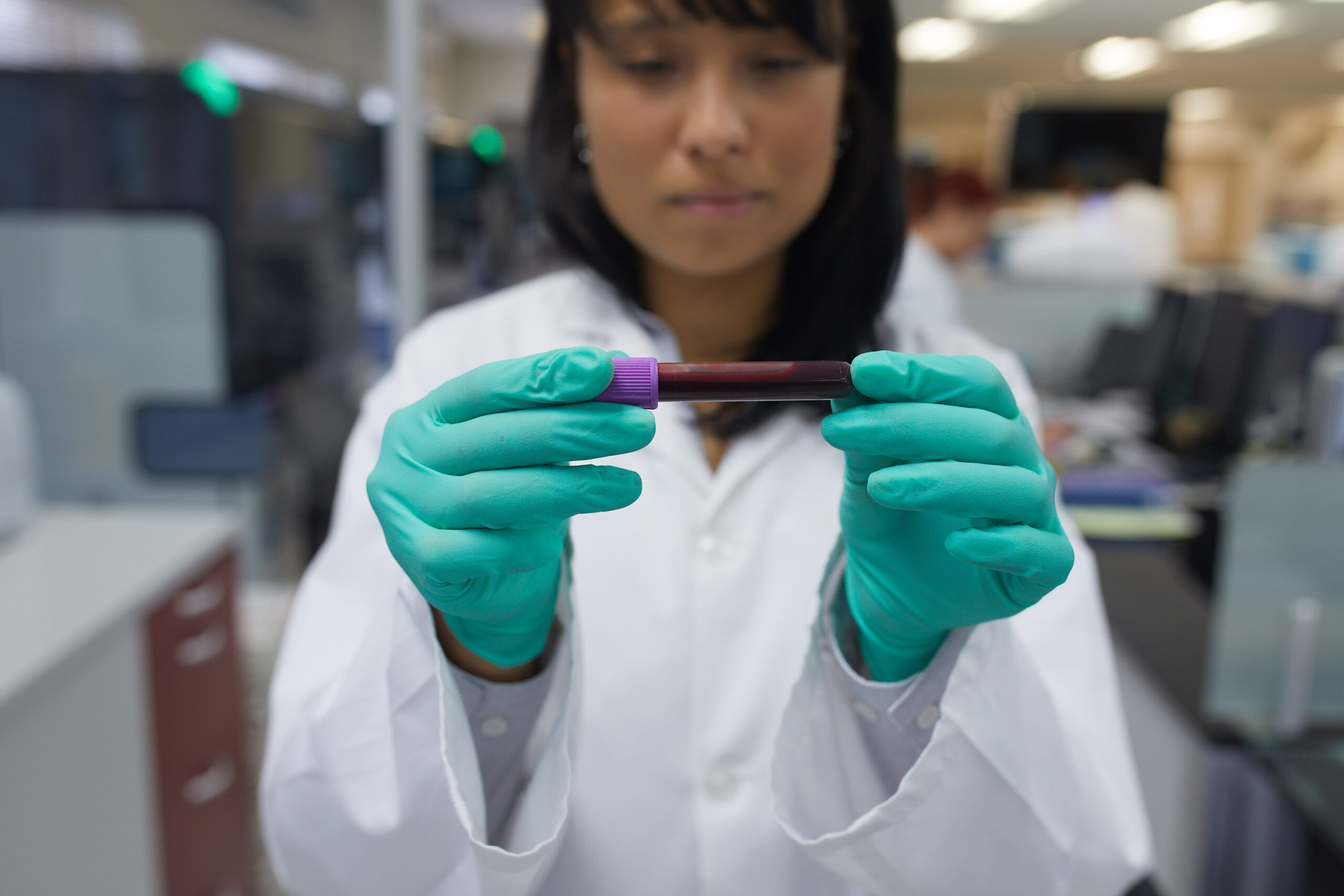
Iron is essential for blood donors, and the Western Cape Blood Service monitors haemoglobin and ferritin levels to help protect donor health and ensure safe blood donation.
We often hear people say they are anaemic or have low iron, but most don’t fully understand what iron is or how a deficiency actually works. Iron is an essential nutrient with many important roles in the body. One of its main functions is helping your body produce haemoglobin, a protein in red blood cells that transports oxygen throughout your body.
Every time you donate blood, we check your haemoglobin (Hb) level with a finger-prick test to ensure you have enough red cells to donate safely. To be eligible, men need a Hb level of at least 13.5g/dl and females’ 12.5g/dl. We also offer iron replacement tablets to all donors to replace what is lost during the donation process.
While haemoglobin contains iron, your body also stores iron in other organs. This stored iron is found in ferritin, an iron storage protein, that releases iron when the body needs it. In 2022, WCBS began testing ferritin levels to better identify donors with low iron stores. Donors with low ferritin are advised not to donate blood for a period of time and should inform their doctor. Protecting donor health and ensuring safe donation are always our top priority.
After donating blood, your body replaces the plasma component within 24-48 hours. Platelets and white blood cells are also replenished quickly, typically within a week after donation. This quick recovery is why plasma and platelet donors can donate more frequently than whole blood donors.
Red blood cells take a bit longer to regenerate, anywhere from 4 to 8 weeks, depending on the individual. This is the reason for the eight-week waiting period between whole blood donations: to ensure the donor’s red blood cell count has returned to safe levels before another donation can be made.
Iron plays a vital role in keeping your body healthy and in ensuring you can continue donating blood safely. Regularly eating iron-rich foods and taking the iron replacement supplements provided by us after donation will help support your recovery and overall well-being. By taking care of your own health and iron levels, you are not only protecting yourself but also helping ensure a safe and sustainable blood supply for patients who rely on it.